
Call us now :08045476572
 Send Inquiry
 Send Inquiry
VESSEL INSULATION
MOQ : As per order , , Piece
VESSEL INSULATION Specification
- Thermal Conductivity
- 0.035 - 0.043 W/mK (at 25C)
- Density
- 150 Gram per cubic centimeter(g/cm3)
- Coating Type
- Aluminum laminated / Glass Cloth / Plain (optional)
- Size
- Length: 1 m / 1.2 m (custom sizes available)
- Installation Guideline
- Can be applied with banding wire, glue, or mechanical fasteners. Joints should be tightly sealed.
- Layer
- Single or multi-layer as per design
- Feature
- Excellent thermal efficiency, fire resistance, sound absorption, water repellent (with proper facing)
- Surface Treatment
- Aluminum foil, glass cloth, or wire mesh facing (optional)
- Product Type
- Thermal Insulation Blanket / Slab / Pipe Section
- Material
- Mineral Wool / Glass Wool / Rock Wool (as per requirement)
- Tensile Strength
- 12 - 18 kPa
- Width
- 600 mm (standard)
- Thickness
- 25 mm, 50 mm, 75 mm, 100 mm (customizable)
- Application
- Vessel Insulation for thermal and acoustic applications in industrial plants, refineries, chemical, and petrochemical units
- Heat Conductivity
- 0.035 - 0.043 W/mK (at 25C)
- Color
- Yellowish / Brown (natural fiber color)
- Max Withstanding Temperature
- Up to 750C (depends on material type)
- Thermal Shrinkage
- Less than 2% at 650°C
- Eco-Friendly
- Asbestos-free and recyclable
- Corrosion Resistance
- Does not cause or support corrosion of steel, copper, or aluminum
- Fire Resistance
- Non-combustible as per IS 8183 / ASTM E136
- Compressive Strength
- Minimum 6.0 kPa at 10% deformation
- Form
- Board, blanket, or pipe section
- Water Absorption
- Less than 1% by volume
- Standards
- Conforms to IS 8183, ASTM C612, BS 3958
- Service Life
- Over 15 years with proper maintenance
- Sound Absorption Coefficient (NRC)
- 0.85 at 50 mm thickness
VESSEL INSULATION Trade Information
- Supply Ability
- 01 , , Piece Per Month
- Delivery Time
- 1-4 Week
About VESSEL INSULATION
The insulation of pharmaceutical vessels is done to preserve the temperature inside the vessels. These vessels are of irregular shape. For void free insulation and to avoid sweating over the surfaces proper insulation is required. Insulation properties of polyurethane foam are much better than other insulating material hence it is preferred over other insulating materials.
Cladding is done over the vessels using various surfaces such as
- GI Pre coated
- Aluminium
- SS
- Thickness of insulation varies as per the ambient temperature and the internal temperature of the vessel to be maintained.
- The density of Polyurethane foam insulation is maintained around 40kg/m3.
- Higher densities are also achieved as per the requirement of the customer.
- PIR can also be used as an insulating material.
- Dual insulation can also be done as per requirement of customer.
Advantages with in-situ foaming system::
- The risk for voids in the insulation is eliminated by the spray method
- No joints in the foam
- Homogeneous insulation
- Increased insulation efficiency
- Increased tightness
- None-corrosive and watertight cladding
- Complete bonding to all surfaces
- No penetration or space for accumulation of moisture
- Excellent corrosion protection
- Good fire fighting properties
- Easy to Insulate Uneven Surfaces, Corners, Supports and Odd Geometrical Shapes
Exceptional Thermal and Fire Protection
VESSEL INSULATION delivers outstanding fire resistance, meeting the requirements of IS 8183 and ASTM E136 for non-combustibility. Its low thermal shrinkage, high compressive strength, and operational stability up to 750C make it suitable for critical industrial applications. Minimal water absorption and corrosion resistance further protect vessels and piping systems, extending operational integrity.
Acoustic Performance and Eco-Friendly Design
With an NRC of 0.85 at 50 mm thickness, this insulation offers substantial noise reduction for both thermal and acoustic comfort. Asbestos-free and made from recyclable materials, it supports eco-friendly initiatives for modern infrastructure. The products natural fiber coloration (yellowish/brown) signifies authenticity and sustainability.
FAQs of VESSEL INSULATION:
Q: How is VESSEL INSULATION installed in industrial applications?
A: VESSEL INSULATION can be installed using banding wire, glue, or mechanical fasteners, depending on the application. Joints should be tightly sealed to prevent thermal leaks, and optional surface treatments like aluminum foil or glass cloth can be applied for added moisture or fire protection.Q: What are the benefits of using this insulation for vessels in chemical or petrochemical units?
A: This insulation offers excellent thermal efficiency, sound absorption, and fire protection. It resists corrosion and water ingress, delivers long service life (over 15 years with proper maintenance), and supports safe working environments, making it ideal for chemical or petrochemical vessels.Q: When should mineral wool, glass wool, or rock wool be chosen for vessel insulation?
A: Selection among mineral wool, glass wool, or rock wool depends on the operating temperature, required fire and acoustic performance, and specific vessel design. All types meet the products standards and exhibit high durability and heat resistance, but material choice can be tailored based on individual application needs.Q: Where is this insulation typically applied and what forms are available?
A: VESSEL INSULATION is commonly used on industrial vessels, tanks, and piping in plants, refineries, and manufacturing units. It comes in boards, blankets, or pipe sections, with customizable length, thickness, and surface treatments to suit the installation environment.Q: What process ensures the insulation does not cause corrosion on metals like steel or copper?
A: The insulation composition and optional facing prevent any chemical reaction with metals. It is engineered to be inert and does not promote or support corrosion on steel, copper, or aluminum surfaces, providing safe contact with metal structures.Q: How does the insulation contribute to environmental sustainability?
A: VESSEL INSULATION is asbestos-free, recyclable, and made from natural fibers, helping reduce environmental impact. Its long lifespan further minimizes waste, and eco-friendly production methods support sustainable industrial infrastructure.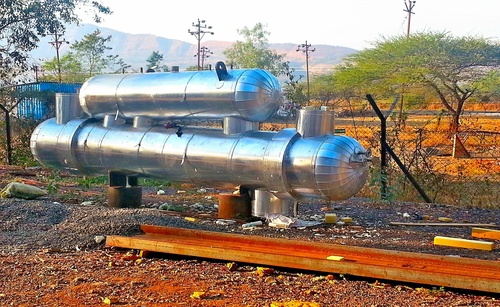
Tell us about your requirement

Price:
Quantity
Select Unit
- 50
- 100
- 200
- 250
- 500
- 1000+
Additional detail
Mobile number
Email

More Products in In-Situ Foaming Category
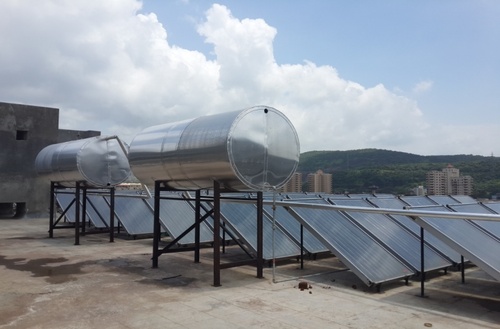
Solar Appliances Insulation
Minimum Order Quantity : As per order , , Piece
Coating Type : Aluminum Foil (optional)
Density : 96 Gram per cubic centimeter(g/cm3)
Size : Customized
Thermal Conductivity : 0.0350.045 W/mK
Heat Conductivity : 0.0350.045 W/mK
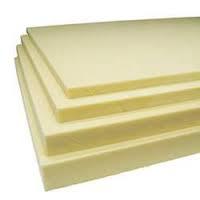
Polyurethane Foam Slabs
Minimum Order Quantity : As per order Piece
Coating Type : Available with aluminium foil or craft paper lamination
Density : 40 Gram per cubic centimeter(g/cm3)
Size : Custom sizes available
Thermal Conductivity : 0.0220.028 W/mK
Heat Conductivity : 0.0220.028 W/mK
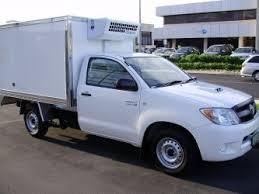
Refrigrated van insulations
Minimum Order Quantity : As per order , , Piece
Coating Type : GRP, Precoated GI, Stainless Steel
Density : 45 Gram per cubic centimeter(g/cm3)
Size : Customfit to van/truck body dimensions
Thermal Conductivity : 0.0240.026 W/mK
Heat Conductivity : 0.0240.026 W/mK
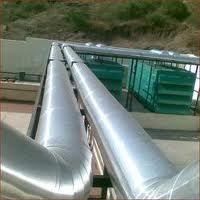
Pipe Line Insulation
Minimum Order Quantity : As per order , , Piece
Coating Type : Aluminum foil Cladding
Density : 48 Gram per cubic centimeter(g/cm3)
Size : Customizable as per pipe diameter and length
Thermal Conductivity : 0.035 0.045 W/mK
Heat Conductivity : 0.035 0.045 W/mK

 Send Inquiry
Our Products
- Polyurethane Panels
- Puf Pipe Support & Clamp
- Puf Slab
- Puf Sandwich Panel
- Puf Doors
- In-Situ Foaming
- Puf Pipe Section
- Polyurethane Pipe Support
- Polyurethane Door
- PUF Saddles
- Polyurethane Floors
- High Density PUF
- Porta Cabin PUF Insulation
- Refrigerator Van Insulation
- Rippening Chamber Insulation
- Pipeline Insulation Services
- PUF Insulated Roof Panel Services
- Vessel PUF Insulation Services
- Polyurethane Cold Storage Panels for Cold Storage
- Porta Cabins for Security Guards
- Puf Block
- Polyurethane Sheet
- Insulated Panels
- Tanker Insulation


R-875, TTC Industrial Area, Near Golden Garage, Rabale,Navi Mumbai - 400701, Maharashtra, India

Mr Sanjay Valsangkar
(Director)
Mobile :08045476572
 Send Inquiry
 Send SMS
 Call Me Free
Developed and Managed by Infocom Network Private Limited.
