
Call us now :08045476572
 Send Inquiry
 Send Inquiry
Puf Sheet
MOQ : As per order , , Piece
Puf Sheet Specification
- Feature
- Lightweight, High Insulation, Moisture Resistant
- Layer
- Single or Multi-layer as per requirement
- Density
- 2 Gram per cubic centimeter(g/cm3)
- Coating Type
- OptionalAluminum Foil, Paper, or Glass Cloth
- Surface Treatment
- Plain or Laminated
- Size
- Customized
- Installation Guideline
- Place on clean, dry, and even surface; fix using industrial adhesive or mechanical fasteners as required
- Thermal Conductivity
- 0.022 - 0.024 W/mK
- Product Type
- Insulation Sheet
- Material
- Polyurethane Foam (PUF)
- Tensile Strength
- 5 - 7 kg/cm
- Width
- 1000 mm
- Thickness
- 25 mm to 150 mm
- Application
- Cold Storage, Roofing, Wall Insulation, Clean Rooms
- Heat Conductivity
- 0.022 - 0.024 W/mK
- Color
- Yellow
- Max Withstanding Temperature
- -30C to +80C
- Fire Retardance
- Available as per IS 12436 standard
- Compressive Strength
- 2.0 kg/cm² at 10% deformation
- Moisture Permeability
- Low
- Edge Finish
- Straight/Interlocking
- Odor
- Odorless
- Form
- Rigid foam sheet
- Water Absorption
- Less than 1% by volume
- Closed Cell Content
- Above 90%
Puf Sheet Trade Information
- Supply Ability
- 01 , , Piece Per Month
- Delivery Time
- 1-4 Week
About Puf Sheet
Having ethical business policies, we are betrothed in offering an excellent quality collection of PUF Sheet. This sheet is ideal to be used for insulation purpose in various industries such as automotive, pharmaceutical etc. The provided sheet is manufactured by our diligent professionals using premium grade polyurethane foam as per the industry standards. Further, we are offering this PUF Sheet to our valuable clients in varied thicknesses and sizes at market leading prices.
Features:
- Enhanced durability
- Good insulation property
- Accurate dimension
- Sturdy design
Other Details:
- Rigid framework design has inherent strength and stability
- The aluminium profiles are corrosion resistant with specially designed three way corners
- The panels are pressure injected with CFC free polyurethane foam up to 40 Kg/cum densities
- The panels are compact in design to provide vibration-free, noiseless performance and are easily maintainable
Exceptional Thermal & Moisture Protection
PUF Sheets offer a remarkable thermal conductivity range of 0.022 0.024 W/mK, ensuring minimal heat transfer in insulated areas. Their closed-cell structure ensures water absorption remains below 1% by volume and keeps moisture permeability exceptionally low, making them ideal for cold storage and humid environments.
Versatile Applications & Custom Solutions
Engineered for flexibility, PUF Sheets can be tailored in thickness from 25 mm to 150 mm and widths up to 1000 mm. Whether for high-performance roofing, wall insulation, or demanding clean room environments, their material strength and chemical stability ensure they meet both domestic and industrial requirements effectively.
Easy Installation & Lasting Durability
Designed with installation convenience in mind, PUF Sheets can be placed on clean, dry, and even surfaces and secured using industrial adhesives or mechanical fasteners. The option of a plain or laminated surface treatment enhances protection, while interlocking or straight edges facilitate precise alignment and joint sealing.
FAQs of Puf Sheet:
Q: How are PUF Sheets typically installed for insulation projects?
A: PUF Sheets should be placed on a clean, dry, and even surface. They can be secured using industrial adhesives or mechanical fasteners, depending on the project requirements such as roofing, wall insulation, or cold storage.Q: What makes PUF Sheets suitable for cold storage and clean rooms?
A: PUF Sheets offer low moisture permeability, water absorption below 1%, a closed cell structure above 90%, and excellent thermal insulation (0.022 0.024 W/mK). These properties help maintain controlled environments crucial for cold storage and clean room operations.Q: When should fire-retardant PUF Sheets be chosen?
A: Fire-retardant PUF Sheets, certified as per IS 12436 standards, should be selected for projects with stringent fire safety requirements in industrial or commercial settings, such as food processing facilities, where added fire resistance is necessary.Q: Where can customized sizing and surface treatments be applied?
A: PUF Sheets are available in customizable sizes (width: 1000 mm, thickness: 25 mm to 150 mm) and can be treated with surfaces like aluminum foil, paper, or glass cloth upon request, to suit specific insulation and protective needs.Q: What is the benefit of opting for PUF Sheets with interlocking edges?
A: Interlocking edges ensure a seamless fit when installing multiple sheets, reducing the risk of thermal bridging and enhancing both insulation performance and structural stability.Q: How does the high density and compressive strength of PUF Sheets contribute to their performance?
A: With a density of 2 g/cm and compressive strength of 2.0 kg/cm at 10% deformation, PUF Sheets provide robust structural support and resistance to mechanical loads, making them reliable for load-bearing insulation applications.Q: What are the advantages of using PUF Sheets for wall and roof insulation?
A: PUF Sheets are lightweight yet strong, offer excellent thermal and moisture resistance, and have odorless properties. These benefits help to enhance building energy efficiency, reduce maintenance costs, and ensure a safe indoor environment.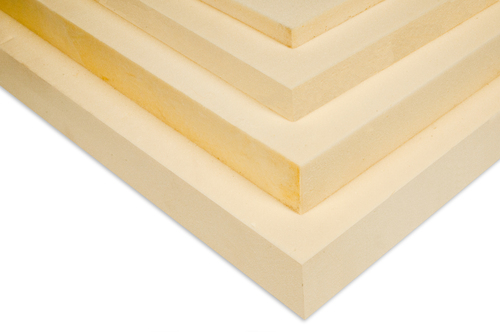
Tell us about your requirement

Price:
Quantity
Select Unit
- 50
- 100
- 200
- 250
- 500
- 1000+
Additional detail
Mobile number
Email

More Products in Puf Slab Category
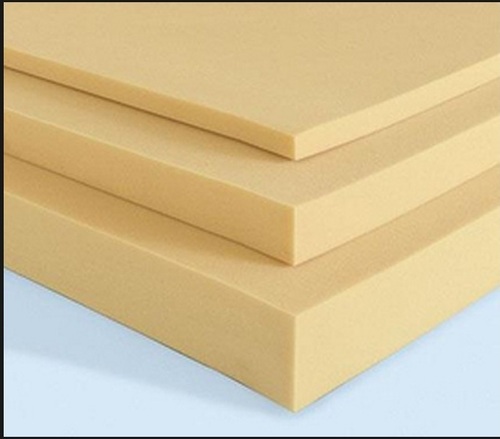
High Density Puf Sheet
Minimum Order Quantity : As per order , , Piece
Rated Voltage : 220V
Max Withstanding Temperature : 120C
Tensile Strength : 2.5 kg/cm
Heat Conductivity : 0.022 W/mK
Feature : Lightweight, High Thermal Insulation, Moisture Resistant

 Send Inquiry
Our Products
- Polyurethane Panels
- Puf Pipe Support & Clamp
- Puf Slab
- Puf Sandwich Panel
- Puf Doors
- In-Situ Foaming
- Puf Pipe Section
- Polyurethane Pipe Support
- Polyurethane Door
- PUF Saddles
- Polyurethane Floors
- High Density PUF
- Porta Cabin PUF Insulation
- Refrigerator Van Insulation
- Rippening Chamber Insulation
- Pipeline Insulation Services
- PUF Insulated Roof Panel Services
- Vessel PUF Insulation Services
- Polyurethane Cold Storage Panels for Cold Storage
- Porta Cabins for Security Guards
- Puf Block
- Polyurethane Sheet
- Insulated Panels
- Tanker Insulation


R-875, TTC Industrial Area, Near Golden Garage, Rabale,Navi Mumbai - 400701, Maharashtra, India

Mr Sanjay Valsangkar
(Director)
Mobile :08045476572
 Send Inquiry
 Send SMS
 Call Me Free
Developed and Managed by Infocom Network Private Limited.
