
Call us now :08045476572
 Send Inquiry
 Send Inquiry
Clean Room Panels
MOQ : As per order Piece
Clean Room Panels Specification
- Color
- White / Off-white / Custom Color
- Application
- Pharmaceuticals, Laboratories, Food Processing, Hospitals, Electronics Industries
- Load Capacity
- High Impact Resistance ~ 1000 N/m (varies by thickness)
- Material Grade
- GI as per IS 277 or ASTM A653
- Thickness
- Standard 50mm, 75mm, 100mm (Customizable)
- Form
- Sandwich Panel with Insulation Core
- Usage
- Controlled Environments, Clean Room Partitioning
- Features
- Hygienic, Seamless Joint, Low Maintenance, High Durability
- Installation Type
- Panel Joint or Tongue & Groove System
- Product Type
- Clean Room Panels
- Main Material
- Galvanized Steel / GI (Galvanized Iron)
- Surface Treatment
- Pre-Painted / Powder Coated / Smooth Finish
- Size
- Customizable (Common: 1000mm x 3000mm, 1200mm x 2400mm, or as per requirement)
- Weight
- Approx. 7 to 10 kg/m (Depending on thickness and infill)
- Feature
- Fire Resistant, Water Resistant, Sound Insulated, High Mechanical Strength, Easy to Clean
- Shape
- Rectangular / Modular panels
- Thermal Conductivity
- 0.022 - 0.035 W/mK (depending on core)
- Panel Length
- Up to 6 meters (customizable as per project)
- Panel Joint
- Cam-Lock / Tongue & Groove / Flush Joint
- Air Tightness
- Leakage Class B/C (compliant with clean room class requirements)
- Insulation Density
- PU 40 kg/m³, EPS 16-24 kg/m³, Rockwool 96 kg/m³
- Panel Core Material
- PU (Polyurethane) / EPS (Expanded Polystyrene) / Rockwool
- Operating Temperature Range
- -20°C to +80°C
- Fire Rating
- Up to 2 hours (as per IS/EN standards, depends on core material)
- Panel Edge Details
- Aluminum or GI edge trims available
- Sound Insulation
- Up to 30 dB reduction (for 100mm Rockwool core)
- UV Resistance
- High (for outdoor applications with specialized coating)
- Moisture Absorption
- < 0.05% (for PU Core)
- Cleaning Method
- Washable, chemical resistant surface suitable for disinfectants
- Surface Finish Options
- Antibacterial, Anti-static, PVDF, PVC Lamination
Clean Room Panels Trade Information
- Supply Ability
- 01 Piece Per Month
- Delivery Time
- 1-4 Week
About Clean Room Panels
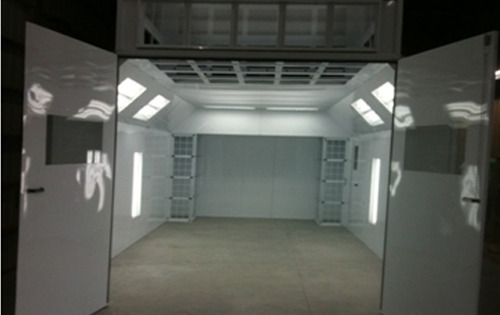
Having rich expertise in this field, we are able to provide pristine grade Clean Room Panels. These panels are widely used to be installed as clean rooms in laboratories, cold storage, hospitals and other places. The offered panels are fabricated by utilizing quality tested polyurethane foam sandwich materials. Known for their heat resistance, the provided Clean Room Panels are ideal to be designed for doors, wall, floors, roofs etc.
Key features:
- High energy saving due to insulated structure
- Requires less time to erect the closure
- Outstanding load bearing capacity
- Accurate dimension
Specifications:
- Length:Up to 6mtr
- Width:Up to 1.2mtr
- Thickness:25mm to 150mm
- Note:25mm to 40mm thickness available up to certain length
- Tongue and Groove with specially designed CAM LOCKS provided
- Density:40kg/m3
- Pharmaceuticals
- Electronics
- Electrical engineering
- Food
- Optical Industry
- Hospitals
- Research institutes and laboratories
Superior Thermal and Acoustic Insulation
These clean room panels feature advanced core materialsPU, EPS, or Rockwoolproviding low thermal conductivity (0.0220.035 W/mK) and high insulation. Rockwool cores offer up to 30 dB sound reduction for enhanced acoustic control, making these panels particularly suitable for sensitive environments like laboratories and healthcare facilities.
Optimized Fire and Moisture Resistance
Panels are tested to deliver up to 2 hours of fire rating, subject to the selected core and compliance with IS/EN standards. With moisture absorption below 0.05% for PU cores and specialized coatings, these panels remain reliable under rigorous cleaning and disinfection protocols, ensuring longevity and operational safety.
Customizable and Hygienic Solutions
With customizable sizes, thicknesses, and finishesincluding antibacterial and anti-static coatingsour clean room panels cater to diverse industry specifications. Seamless cam-lock, tongue & groove, or flush joints provide quick installation, robust air-tightness, and compliance with clean room class requirements.
FAQs of Clean Room Panels:
Q: How do I select the most suitable core material for my clean room panels?
A: The core material should be chosen based on your primary requirementPU offers excellent thermal insulation and minimal moisture absorption, EPS is lightweight and cost-effective, while Rockwool delivers superior fire resistance (up to 2 hours) and acoustic insulation (up to 30 dB). Your applications fire rating, acoustic needs, and budget will guide this decision.Q: What installation process is used for these panels, and how does it ensure air-tightness?
A: Installation typically utilizes cam-lock, tongue & groove, or flush joint systems, forming seamless and mechanically locked joints for Classes B/C air-tightness. This method accelerates assembly while maintaining the strict contamination control demanded by pharmaceutical, laboratory, and cleanroom projects.Q: Where can these clean room panels be effectively installed?
A: These panels are employed in controlled environments such as pharmaceutical units, food processing plants, hospitals, labs, and electronic manufacturing. They are ideal for areas demanding hygienic, fire-resistant, and easily cleanable partitioning solutions.Q: What makes the surface of these panels suitable for clean room applications?
A: The panels feature antibacterial, anti-static, PVDF, or PVC-laminated coatings, providing resistance to chemicals, moisture, and regular disinfection. This makes them exceptionally easy to clean and helps to maintain a sterile environment, reducing cross-contamination risks.Q: When should I consider customizing the panel dimensions and specifications?
A: Customization is suggested when your project requires specific dimensions, unique colors, or enhanced physical properties beyond standard sizes (such as larger panels, thicker designs, or bespoke color matches). Our manufacturing can accommodate tailor-made requests to fit project-specific demands.Q: What benefits do these panels offer over conventional wall systems?
A: Compared to traditional constructions, these sandwich panels provide faster installation, lighter weight (approx. 710 kg/m), higher mechanical and impact resistance (~1000 N/m), better fire and acoustic performance, easier maintenance, and superior hygieneall essential for regulated and sensitive environments.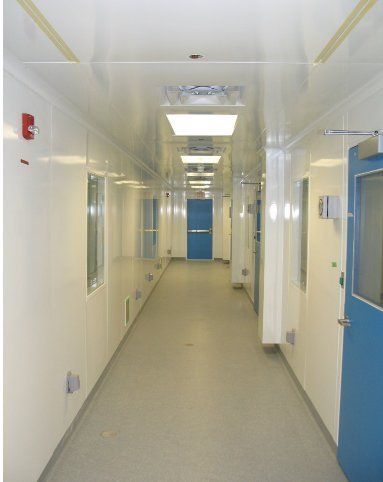
Tell us about your requirement

Price:
Quantity
Select Unit
- 50
- 100
- 200
- 250
- 500
- 1000+
Additional detail
Mobile number
Email

More Products in Polyurethane Panels Category
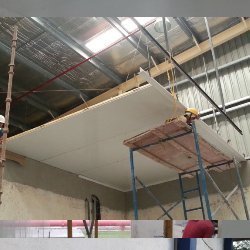
Ceiling Panels
Minimum Order Quantity : As per order Piece
Feature : Waterproof, Fireproof, Termite Resistant
Usage : Decorative ceiling solutions
Product Type : Ceiling Panels
Main Material : PVC
Surface Treatment : Laminated
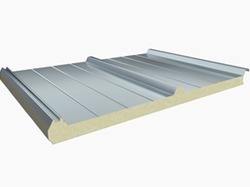
Polyurethane Roof Panel
Minimum Order Quantity : As per order Piece
Feature : High thermal insulation, lightweight, weather resistant
Usage : Building roofing, cold rooms, insulated rooftops
Product Type : Polyurethane Roof Panel
Main Material : Polyurethane Foam core with metal sheet (typically steel or aluminum) facing
Surface Treatment : Prepainted or galvanized
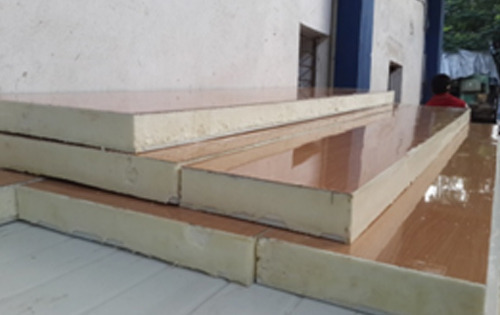
PUF Partition Panel
Minimum Order Quantity : As per order Piece
Feature : High Insulation, Lightweight, Fire Resistant, Soundproof
Usage : Industrial Partitioning, Clean Room Construction
Product Type : PUF Partition Panel
Main Material : Polyurethane Foam (PUF) Core with PrePainted Galvanized Iron (PPGI) or Galvanized Iron (GI) Sheets
Surface Treatment : Powder Coated / Painted / Galvanized

 Send Inquiry
Our Products
- Polyurethane Panels
- Puf Pipe Support & Clamp
- Puf Slab
- Puf Sandwich Panel
- Puf Doors
- In-Situ Foaming
- Puf Pipe Section
- Polyurethane Pipe Support
- Polyurethane Door
- PUF Saddles
- Polyurethane Floors
- High Density PUF
- Porta Cabin PUF Insulation
- Refrigerator Van Insulation
- Rippening Chamber Insulation
- Pipeline Insulation Services
- PUF Insulated Roof Panel Services
- Vessel PUF Insulation Services
- Polyurethane Cold Storage Panels for Cold Storage
- Porta Cabins for Security Guards
- Puf Block
- Polyurethane Sheet
- Insulated Panels
- Tanker Insulation


R-875, TTC Industrial Area, Near Golden Garage, Rabale,Navi Mumbai - 400701, Maharashtra, India

Mr Sanjay Valsangkar
(Director)
Mobile :08045476572
 Send Inquiry
 Send SMS
 Call Me Free
Developed and Managed by Infocom Network Private Limited.
